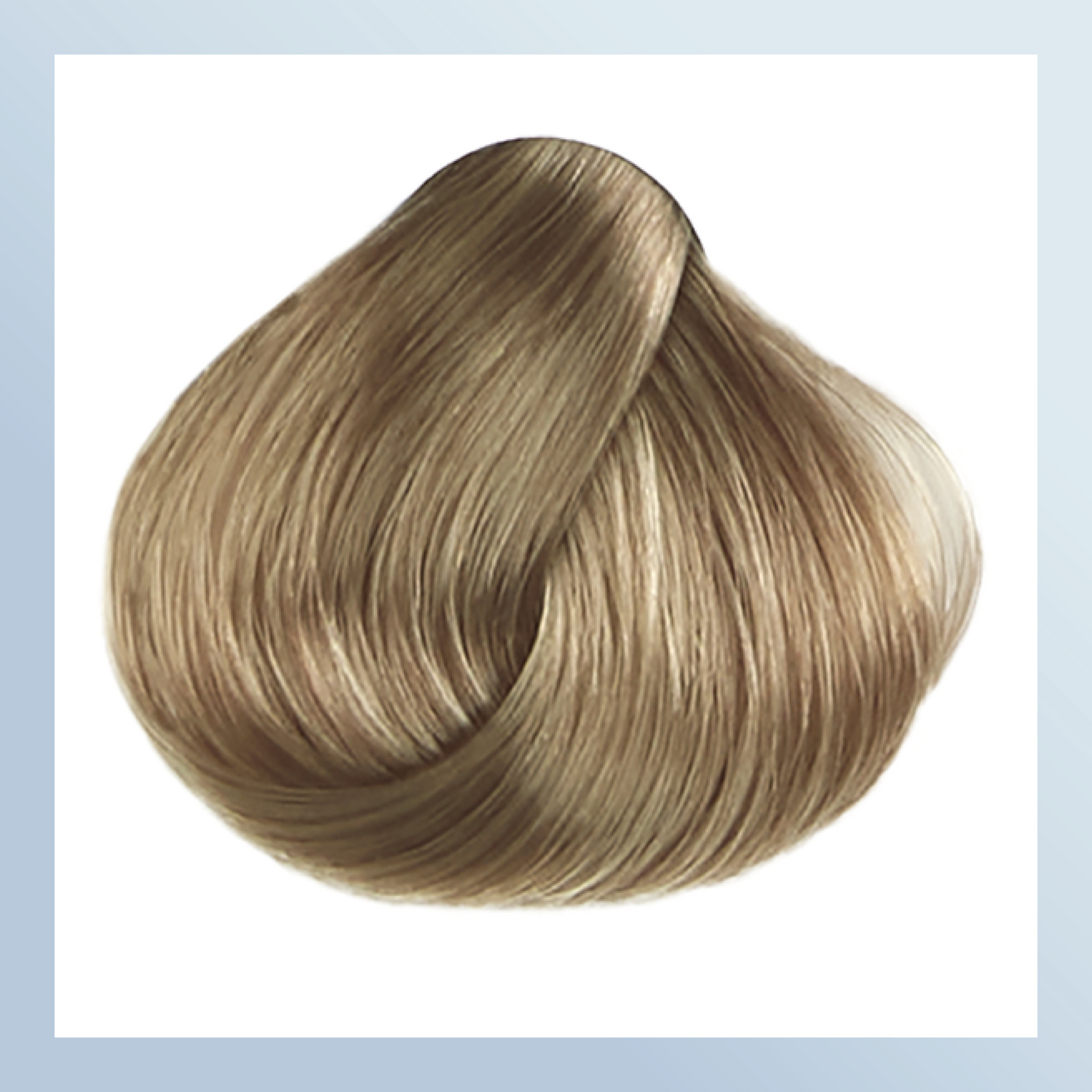

WHAT IS THE BEST NATURAL DYE TO COVER GREY HAIR?
Search for the best natural dye to cover grey hair and you will find plenty of confident answers, most of them pointing to henna and indigo. They are wonderful plants with a long history, but "natural" covers a wide spectrum, and the right choice depends on the colour you want, how much grey you have and how much commitment you are happy to take on. Here is an honest look at the options, so you can choose with confidence.
Why grey hair is harder to colour
Grey and white hairs have lost their melanin, the natural pigment that colour builds on. They are also often coarser and more resistant, with a tightly closed cuticle. Conventional permanent dyes solve this with ammonia and peroxide, which force the cuticle open and strip then replace pigment. That is exactly what many people are trying to move away from.
Natural and low-chemical colours work differently. Plant dyes such as henna bond to the keratin on the outside of the hair, while gentle water-based colours deposit pigment softly inside the cuticle without lifting your natural shade. Both approaches can cover grey beautifully, they just behave differently, and that difference matters when you choose.
The 100% plant options
Three plants do most of the work in herbal hair colour, and each behaves quite differently on grey.
Henna (Lawsonia inermis) is the strongest natural dye. On grey and white hair it develops a vivid copper to red tone and binds very firmly to the hair. It is permanent in the truest sense: it does not wash out, and it is extremely difficult to lighten or colour over afterwards.
Indigo (Indigofera tinctoria) is the plant that turns henna's copper into brown or black. Used in a blend with henna it gives chestnut to warm brown shades; applied as a second step over fresh henna it can take grey hair to deep brown or near-black. Indigo will not cover grey on its own, it needs henna underneath to hold and results vary. Indigo often goes green if you try to lighten hair after using it.
Cassia (Cassia obovata) is sometimes called "neutral henna". It is a lovely conditioning treatment that adds shine and a soft golden tone to lighter hair, but it will not reliably cover grey, at best it gently warms it.
For a brown result on grey hair, the most dependable herbal route is a two-step process: pure henna first to give the greys a warm copper base, then indigo to tone that copper down to brown. Pre-mixed henna and indigo powders exist, but ingredients and proportions vary a great deal between products, so read labels carefully and always strand test first.
How the natural options compare
The table below sets out what each option realistically delivers on grey hair, including where our own water-based colour sits in the landscape.
| Option | Result on grey hair | Longevity | Things to consider |
|---|---|---|---|
| Pure henna | Rich copper, auburn or red | Permanent | Warm tones only; very hard to remove or colour over |
| Henna + indigo | Brown, dark brown or near-black | Permanent | Two-step process for darker shades; messy and time-consuming |
| Cassia | Soft golden glow, greys only warmed | 2 to 4 weeks | Conditioning rather than covering; best on lighter hair |
| Tea or coffee rinses | Faint tint at most | 1 to 2 washes | A gentle toner between colours, not real coverage |
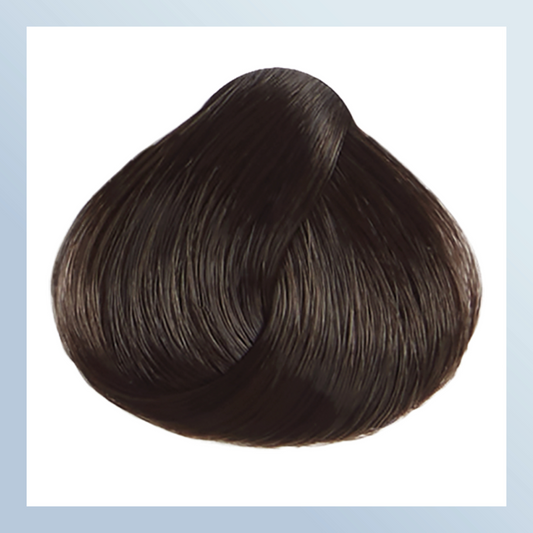
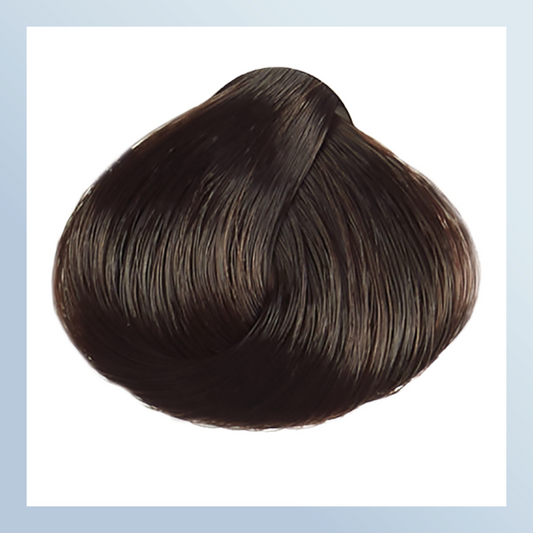
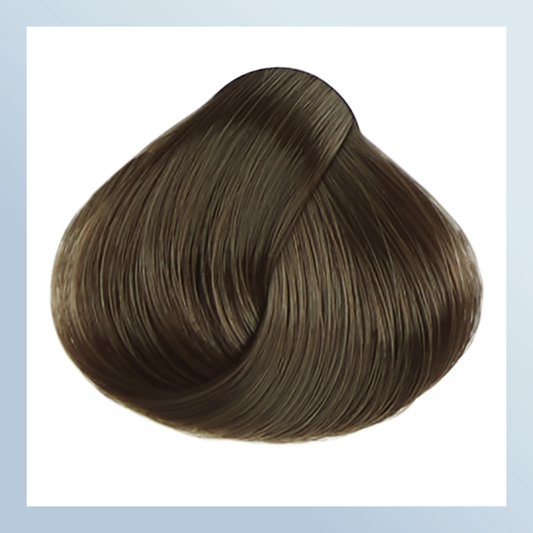
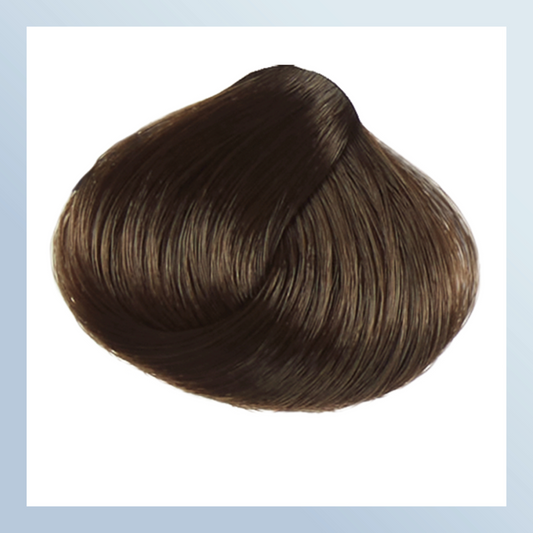
| H2O Water Colour | Soft, natural grey coverage in 20 shades | Gradually fades, no harsh regrowth line | Water-based and gentle; does not lighten hair; easy to apply and easy to change later |
Results with plant powders vary with your starting colour, the percentage of grey and the quality of the powder. A strand test is always worth the extra day.
What to know before you choose
Whichever route appeals, a few things are worth weighing up honestly before anything goes near your hair.
Permanence cuts both ways. Henna and indigo's great strength, a bond that never washes out, is also their biggest commitment. If you later fancy going lighter, or changing shade or tone, your options narrow considerably. Varied or blended grey coverage that fades. In the salon we can't guarantee grey coverage from henna alone as the result can be translucent.
The process is a project. Herbal powders need mixing, dye-release time, several hours on the hair and a rinse that can feel like clearing up after gardening. The final shade also keeps developing for 24 to 48 hours. Some people love the ritual; others want their evening back.
Watch out for "black henna" and compound hennas. Anything promising instant black results from "henna" alone deserves suspicion. Henna doesn't come naturally in black and often this is achieved with the addition of PPD (paraphenylenediamine) or metallic salts. Look for powders that list only the plant, such as 100% Lawsonia inermis with Indigofera tinctoria.
Be careful colouring over existing colour. If your hair currently carries conventional permanent dye, do not assume every natural product will sit happily over it, and equally, hair carrying henna can react badly to chemical colour later. H2O Water Colour usually works well over plant-based dyes like henna. When in doubt, strand test, or ask us.
The H2O Complete Starter Kit has everything you need to colour at home: your chosen shade plus the tools to apply it calmly and cleanly.
Shop the Starter KitWhere water-based colour fits in
We will be straightforward: H2O Water Colour is not a plant powder. It is a water-based colour, perfected in our Spitalfields salon over more than 20 years, and it sits in the gentle middle ground that many people searching for "natural" dye are really looking for: real grey coverage without ammonia, peroxide or resorcinol, and without the permanence and mess of henna.
Because it does not lighten the hair, it works by softly depositing colour, blending greys into your natural shade rather than fighting them. Coverage is soft and believable, regrowth is gentle rather than a hard line, and the finish is glossy, conditioned hair. With 20 shades from lightest blonde to deep brown and a dedicated Reds collection, it also offers something the henna pot cannot: choice.
H2O Water Colour is 95% water-based and free from ammonia, peroxide and resorcinol, the ingredients most often behind scalp irritation and hair damage in conventional dyes. It covers greys softly and naturally, with gloss and condition built in. Explore the range →
So, what is the best natural dye to cover grey?
If your heart is set on 100% plant colour and you love warm, rich, permanent shades, henna, with indigo for browns and black, is the answer, applied carefully and patiently, with a strand test first.
If what you actually want is gentle, believable grey coverage without harsh chemicals, with easy application and the freedom to change your shade as your hair changes, a water-based colour is the kinder everyday choice. That is exactly what H2O Water Colour was made for.
Feel-good glossy hair at home. Twenty gentle, water-based shades that cover greys softly and naturally.
Everything you need for your first calm, careful colour at home, in one kit.
Your questions answered
The questions we hear most often about natural grey coverage, answered honestly.
Does henna cover grey hair?
Yes, very effectively, but only in warm tones. Pure henna turns grey and white hairs a vivid copper to red. For brown or black you need indigo as well, either blended with the henna or applied as a second step over it.
Bear in mind that henna is genuinely permanent. It bonds to the hair and is very difficult to lighten or colour over later.
Why does grey hair need a two-step henna and indigo process?
Indigo cannot grip grey hair on its own; it needs henna's pigment underneath to bind to. Applying pure henna first gives the greys a copper base, and indigo applied afterwards tones that copper down to brown or near-black.
One-step blends of henna and indigo can work for lighter browns, but for strong, even coverage on resistant greys the two-step method is the more reliable route.
Will cassia or herbal rinses cover my grey?
Not really. Cassia conditions beautifully and lends a soft golden tone that can blend a scattering of grey on lighter hair, but it fades within a few weeks. Tea and coffee rinses add a faint tint at most and wash out within a wash or two.
Think of these as gentle toners and treatments rather than coverage.
What is "black henna" and why should I avoid it?
"Black henna" and some compound henna products are boosted with PPD (paraphenylenediamine) or metallic salts to give fast, dark results. PPD in high concentrations can cause severe allergic reactions, and metallic salts can react unpredictably if chemical colour touches the hair later.
If a powder promises black from henna alone, be cautious. Genuine plant powders list a single ingredient, such as 100% Lawsonia inermis.
Can I use a natural dye over hair coloured with conventional dye?
Often yes, but with care. Pure plant powders such as henna, indigo and cassia can usually be applied over chemically coloured hair, though results on the previously coloured lengths may differ from the greys. The bigger risk runs the other way: applying chemical colour over hair that carries henna or compound henna can end badly.
Always strand test first, and if you are unsure, ask us before you commit.
Is water-based hair colour natural?
It is not a plant powder, and we would never pretend otherwise. H2O Water Colour is a 95% water-based formula, free from ammonia, peroxide and resorcinol, developed and refined in our salon over more than 20 years.
For many people it is the practical answer to the question behind the question: grey coverage that is gentle on hair and scalp, without the commitment of henna or the harshness of conventional dye.
How well does H2O Water Colour cover grey?
It covers greys softly and naturally, blending them into your chosen shade rather than painting over them. Because it does not lighten the hair, the result is believable colour with gloss and condition, and regrowth appears as a gentle transition rather than a hard line.
If you are new to it, the Complete Starter Kit is the easiest way to begin, and our team is always happy to help you choose a shade.
What if I would rather blend or embrace my grey instead?
Then do exactly that. Covering grey is a choice, not an obligation, and there are lovely ways to blend it softly or wear it fully silver with shine and condition.
We have written about all three approaches in our journal: Grey hair: cover it, blend it or own it, without damaging your hair.
References & further reading
- NHS - Hair dye reactions, including PPD (paraphenylenediamine) and "black henna". nhs.uk/conditions/hair-dye-reactions.
- Natural Colour Works - Grey hair: cover it, blend it or own it, without damaging your hair.
- Natural Colour Works - Are water hair dyes the gentlest way to cover grey?
- Natural Colour Works - How do I choose the perfect home hair dye colour?