
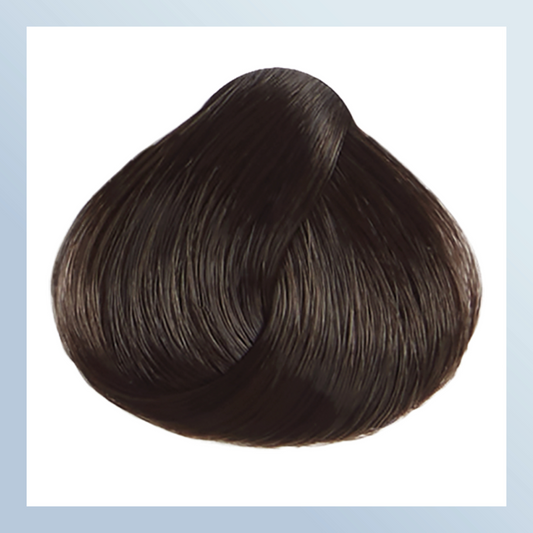
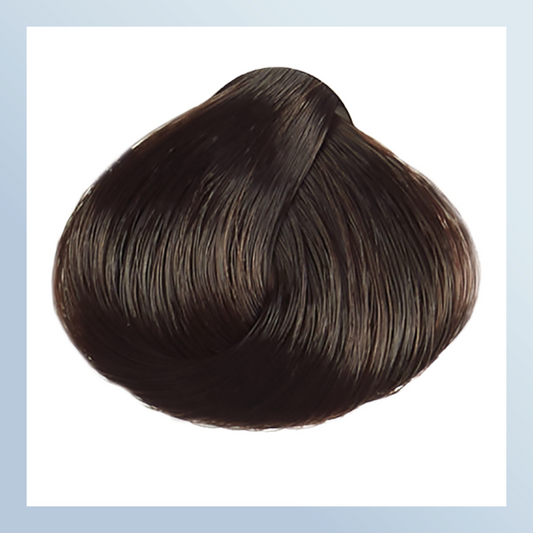
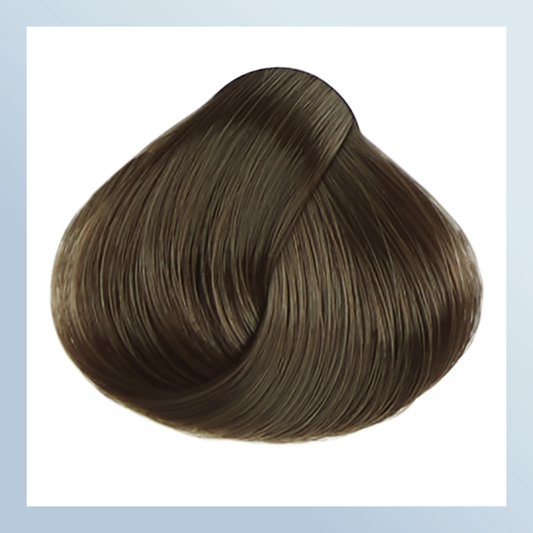
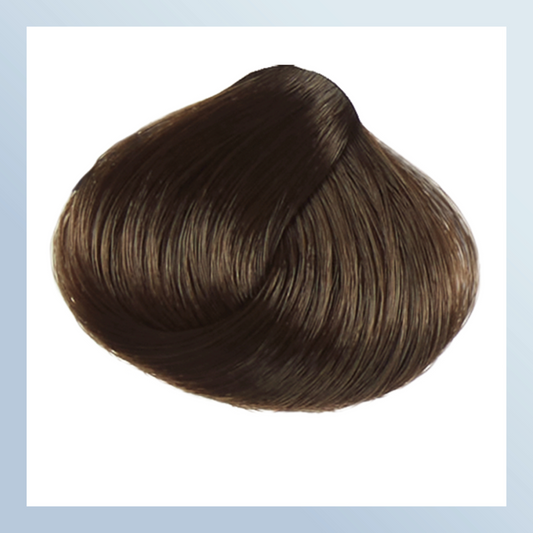
H2O WATER COLOUR

OUR INGREDIENTS EXPLAINED

Every ingredient is here for a reason. Here's plain-English breakdown - and how we compare to standard high-street box dyes.

THE BASE

What makes the formula work?

  • Sodium Suplhate

    A simple mineral salt

    What it does

    Acts as a carrier - helps spread the colour evenly through your hair and keeps the powder stable in the pouch.

    Where it comes from

    Mined from natural mineral deposits.

    Is it in standard box dyes?

    Yes

    What this means for you

    A gentle, naturally occurring salt. No concerns here - it's used the same way in most dyes.

  • Sodium Percarbonate

    A dry oxygen releaser - the built-in developer

    What it does

    Releases hydrogen peroxide when mixed with water, which opens the hair cuticle so colour can get in. This is what activates your dye.

    Where it comes from

    Made from soda ash (mineral) + hydrogen peroxide.

    Is it in standard box dyes?

    No

    What this means for you

    Standard box dyes come with a separate bottle of liquid developer - more plastic, more waste. Ours builds it into the colour pouch itself, so you get one less component and gentler, controlled release.

  • Sodium Metasilicate

    A mineral pH raiser - the ammonia replacement

    What it does

    Gently raises the pH of the formula so the hair cuticle opens enough to let colour molecules in. This is what ammonia does in conventional dyes - but without the harsh smell or fumes.

    Where it comes from

    Derived from silicon dioxide (sand) and sodium.

    Is it in standard box dyes?

    No

    What this means for you

    Most box dyes use ammonia or MEA to open the cuticle - a known irritant with a strong smell that can damage hair with repeated use. Our mineral alternative achieves the same result without the harshness.

1 of 3

TEXTURE & APPLICATION

What makes it easy to use?

  • Xanthan Gum

    A natural plant-fermented thickener

    What it does

    Gives the mixed colour its gel-like consistency so it stays where you put it, doesn't drip, and spreads evenly from root to tip.

    Where it comes from

    Fermented from corn sugar by natural bacteria - fully plant-based

    Is it in standard box dyes?

    No

    What this means for you

    Most box dyes use synthetic polymer thickeners made from petrochemicals. Xanthan gum is biofermented, biodegradable, and widely used in food - a much cleaner alternative.

  • Hydroxyethylcellulose

    A plant-derived gel former

    What it does

    Works alongside xanthan gum to give the colour body and help it cling evenly to each hair strand during processing.

    Where it comes from

    Made from cellulose - the natural fibre found in plant cell walls.

    Is it in standard box dyes?

    No

    What this means for you

    Plant-origin and biodegradable. Most brands use synthetic acrylic or PEG-based thickeners instead.

  • Hydrated Silica

    Fine mineral silica powder

    What it does

    Keeps the powder formula free-flowing in the pouch and provides very gentle cleansing action during rinse-off.

    Where it comes from

    Derived from silicon dioxide - the same mineral as quartz and sand

    Is it in standard box dyes?

    No

    What this means for you

    Only needed because we use a dry powder format. The powder format means no water in the pouch - which means less packaging and a longer shelf life without preservatives.

1 of 3

CLEANSING & CONDITIONING

How we look after your hair

  • Sodium Lauroyl Sarcosinate

    A gentle, amino acid-based cleanser

    What it does

    A very mild surfactant that helps distribute the colour and cleanses hair gently during rinse-out without stripping it.

    Where it comes from

    Derived from sarcosine (a natural amino acid) and coconut/palm oil.

    Is it in standard box dyes?

    No

    What this means for you

    Most box dyes use SLS or SLES - aggressive detergents that strip colour and natural oils. This amino acid-based alternative is much milder, less irritating to the scalp, and biodegrades readily.

  • Paraffinum Liquidum

    A refined conditioning mineral oil

    What it does

    Protects your scalp during processing, adds slip to help application feel smooth, and leaves hair feeling conditioned after rinsing.

    Where it comes from

    A highly refined byproduct of petroleum refining.

    Is it in standard box dyes?

    Yes

    What this means for you

    This one is the same as in most standard box dyes. It's safe, effective and widely used as a scalp protector. We've kept it because it works - but we're transparent that it's not a natural ingredient.

1 of 2

THE COLOUR MOLECULES

What actually creates your shade?

  • p-Phenylenediamine Sulfate (PPD Sulfate)

    +/- shade dependent

    The primary colour-building molecule - the sulfate (safer) form

    What it does

    The main ingredient responsible for creating permanent, long-lasting dark colour. It reacts with oxygen inside the hair shaft to build colour molecules that become locked in.

    Where it comes from

    Synthetic.

    Is it in standard box dyes?

    Similar

    What this means for you

    Almost all permanent hair dyes contain PPD - but most use the free-base form, which is a more potent allergen. We use PPD Sulfate, the salt form, which research indicates is less sensitising. If you have a known PPD allergy, always patch test.

  • Toluene-2,5-Diamine Sulfate (TDA Sulfate)

    +/- shade dependent

    A PPD alternative for certain dark shades -again, the safer sulfate form

    What it does

    Works like PPD to build permanent colour, used in some of our deeper shades as a complementary primary molecule.

    Where it comes from

    Synthetic.

    Is it in standard box dyes?

    Similar

    What this means for you

    Many mainstream brands use the free-base version (Toluene-2,5-Diamine), which is more allergenic. We consistently use the sulfate form across our formulas for a lower sensitisation risk.

  • 1-Hydroxyethyl 4,5-Diamino Pyrazole Sulfate

    +/- shade dependent

    A low-allergy PPD alternative

    What it does

    Creates permanent colour without relying solely on PPD - specifically chosen to reduce the risk of reactions in people with sensitive scalps.

    Where it comes from

    Synthetic.

    Is it in standard box dyes?

    No

    What this means for you

    Most high-street box dyes don't use this. It's more expensive to include, but means our formulas are better suited to those who have found standard dyes irritating in the past.

  • 4-Amino-m-Cresol

    +/- shade dependent

    A colour coupler - warm tone creator

    What it does

    Reacts with the primary colour molecules to produce warm red, auburn and copper tones. Only present in shades that need it.

    Where it comes from

    Synthetic.

    Is it in standard box dyes?

    Yes

    What this means for you

    Used the same way in mainstream dyes. The +/- means it's only included in shades where it's needed - we never use more than necessary.

  • 4-Amino-2-Hydroxytoluene

    +/- shade dependent

    A colour coupler - brown and neutral tones

    What it does

    Works with the primary molecules to produce warm brown and beige tones.

    Where it comes from

    Synthetic.

    Is it in standard box dyes?

    Yes

    What this means for you

    Same as mainstream dyes. Shade-dependent only.

  • 2-Amino-6-Chloro-4-Nitrophenol

    +/- shade dependent

    A colour coupler - golden and olive tones

    What it does

    Contributes golden, olive and warm natural tones in certain shades.

    Where it comes from

    Synthetic.

    Is it in standard box dyes?

    Yes

    What this means for you

    Same as mainstream dyes. Shade-dependent only.

  • 1,5-Naphthalenediol

    +/- shade dependent

    A colour coupler - ash and cool tones

    What it does

    Creates blue, ash grey and cool tones when combined with the primary colour molecules.

    Where it comes from

    Synthetic.

    Is it in standard box dyes?

    Yes

    What this means for you

    Same as mainstream dyes. Only in cool and ash shades.

  • p-Aminophenol

    +/- shade dependent

    A colour coupler - depth and brown modifier

    What it does

    Adds depth and warm brown dimension when paired with primary colour molecules.

    Where it comes from

    Synthetic.

    Is it in standard box dyes?

    Yes

    What this means for you

    Same as mainstream dyes. Shade-dependent only.

  • HC Yellow No. 2

    +/- shade dependent

    A direct yellow dye - no oxidation needed

    What it does

    Provides yellow and warm blonde tones directly, without needing to react with oxygen. Used in blonde and lighter shades.

    Where it comes from

    Synthetic.

    Is it in standard box dyes?

    Similar

    What this means for you

    HC dyes are generally considered less allergenic than oxidative dyes. Only present in lighter shades where warm blonde tones are needed.

1 of 9

Frequently Asked Questions

INGREDIENTS & SAFETY

A closer look at what's in our formula, why we've made the swaps we have, and what to know about patch testing before every use.

Collapsible content

I've had a reaction to hair dye before - is yours safer?

We've reduced sensitisation risk where we can, using sulphate salt forms of key dye molecules with lower known sensitisation potential. That said, please patch test 48 hours before every use - no exceptions.

Should I do a skin test before I use H20 Water Colour?

ALWAYS SKIN TEST 48 HRS BEFORE USE

  1. Allergies are personal and a minority of people may react to one of our ingredients. This can change over time, so even if you’ve used Natural Colour Works™ H20 Water Colour before, we recommend that you ALWAYS skin test 48 hours before use.
  2. Take a pinch of Natural Colour Works™ H20 Water Colour powder from the pouch and mix it with a few drops of water in a small bowl. Use a kitchen clip to reseal the pouch immediately and make sure it doesn’t get wet.
  3. Wash a small patch of skin inside your elbow and pat dry. Apply some of the colour mixture to this area with cotton wool.
  4. Allow to dry for 48hrs.
  5. If you feel any irritation, redness, swelling or burning during this time, it’s likely that you’ve got an allergy to one of the ingredients and you shouldn’t use it. 

Does it contain PPD, PTD, TDS, HEPD or NBISS?

Yes - currently one of these is needed to cover grey. Our formulation has PPD and TDS. We use sulphate salt forms, which are gentler than those in most traditional dyes. No ammonia, no peroxide. Always patch test 48 hours before use.

What is PPD, and should I be concerned?

PPD creates lasting colour deep in the hair shaft and appears in almost every permanent dark shade on the market. We use a safer sulphate salt form - but we always say: patch test, every single time.

What does "+/-" mean on the ingredient list?

It means the ingredient appears in some shades but not all. Different colours use different dye molecules - a warm auburn needs different ones to a cool ash brown, for example.

What's sodium percarbonate?

Our gentler alternative to hydrogen peroxide. It activates colour then breaks down into water and a harmless salt - the same ingredient used in oxygen-based dental cleaning tablets. Reassuringly mild.

What is sodium metasilicate - and why use it instead of ammonia?

It's our alkalising agent: it gently opens the hair cuticle so colour can get in, just like ammonia does. Unlike ammonia, it stays in the formula - no evaporation, no fumes, no scalp sting.

What's sodium lauroyl sarcosinate?

A gentle cleansing ingredient derived from a natural amino acid and coconut fatty acids. It helps colour distribute evenly and rinse cleanly - far milder than the SLS found in many traditional dyes.

There's mineral oil (paraffinum liquidum) in the formula - is that okay?

Cosmetic-grade mineral oil protects your hair from drying out during colouring and creates a gentle scalp barrier. It's non-comedogenic with a strong safety record. We'd rather you know it's there.

I see xanthan gum on the label - isn't that a food ingredient?

Yes, actually. Produced by natural fermentation, it's our plant-based thickener. It gives the formula its gel consistency so it spreads evenly and stays put. Biodegradable and gentle on skin.

What is HC Yellow No. 2?

HC dyes are among the gentlest in hair colour - they coat the hair rather than reacting inside it. HC Yellow No. 2 adds warm yellow tones in certain shades and is well-tolerated by most people.

STYLIST FAVOURITES

TOP SELLERS

Explore our curated selection of top-selling H2O Water Colours. These stylist favourites include the most useful and well-loved tones, offering vibrant, natural results perfect for grey coverage or enhancing your hair’s own unique tone.