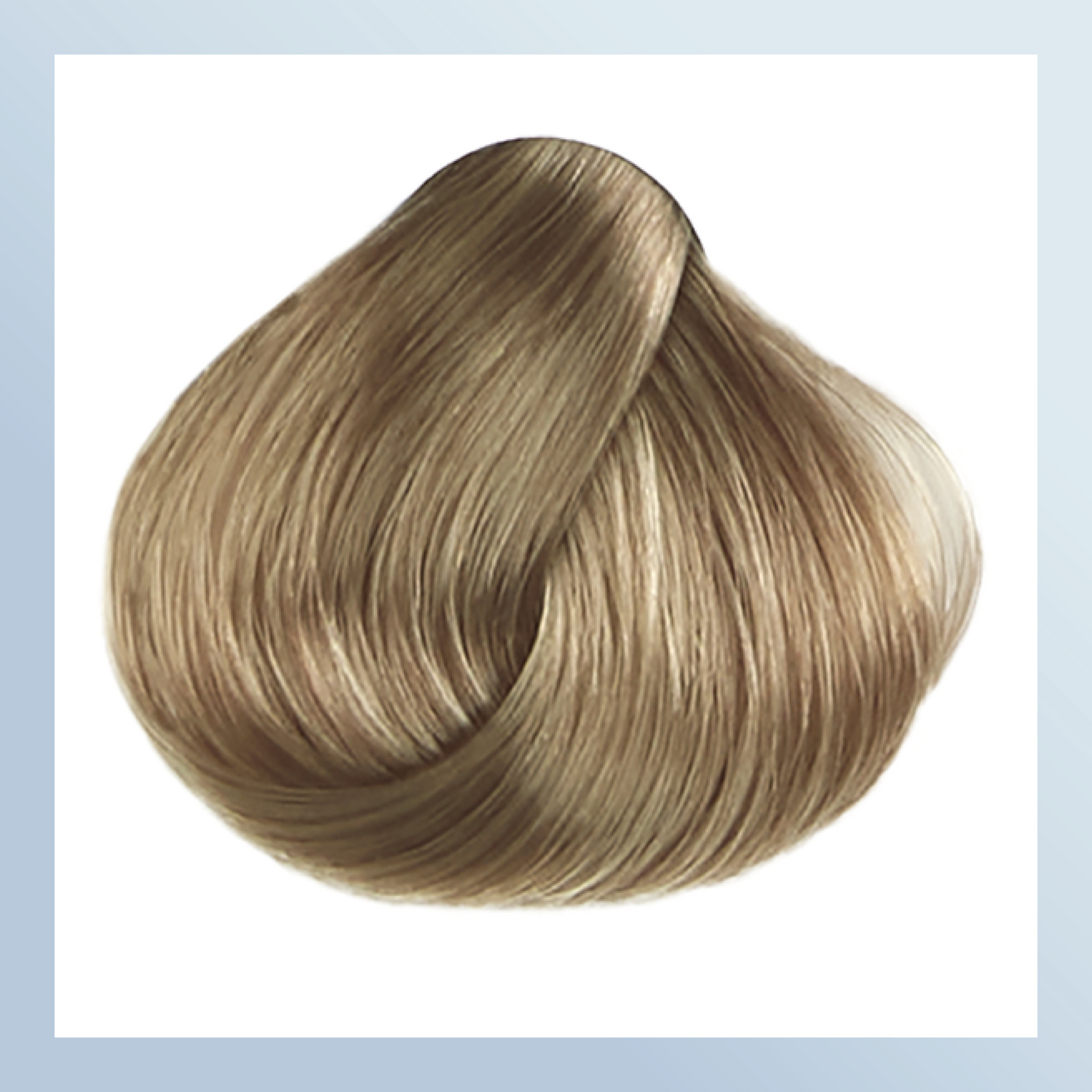

GENTLE HAIR COLOURING AFTER CANCER TREATMENT
Written by the team at Natural Colour Works, a Spitalfields salon specialising in gentle, water-based hair colour for sensitive hair and scalps for over 20 years.
If your hair feels fragile after cancer treatment, you may be wondering whether you can colour it again, and how to do it kindly. This guide answers the questions we hear most often in the salon, with calm, practical advice and gentle options for colouring at home or with us. Before anything else, though, one thing matters most: please speak to your doctor or oncologist first, and only colour your hair once they have given you the go-ahead.
Please check with your medical team first
Everyone's recovery is different. Before colouring your hair after cancer treatment, always speak to your doctor, oncologist or specialist nurse and wait for their approval. Their advice comes before anything you read here, and nothing in this guide replaces it.
Key takeaways
- Always check with your doctor or oncologist before colouring your hair. Their go-ahead should come before any timeline, product or plan, as everyone's recovery is different.
- Many people are advised to wait around six months after chemotherapy before colouring, until new hair has grown and feels stronger, but this is a general guide only, not a substitute for medical advice.
- After treatment your scalp can be drier and more sensitive, so a patch test 48 hours beforehand is essential, every single time, even with a product you have used before.
- Look for colour that is free from ammonia and peroxide, deposits tone gently, and can be patch tested easily.
- H2O Water Colour is a 95% water-based home colour, free from ammonia, peroxide and resorcinol. It softly covers grey but does not lighten hair.
Can you colour your hair after chemotherapy?
In most cases, yes, but only once your doctor or oncologist has confirmed they are happy for you to do so, and once your hair has grown back and feels stronger. Hair is often more fragile after treatment, and your scalp can be more sensitive than usual, so the priority is getting medical approval first, then choosing a gentle method, rather than rushing.
Because everyone responds to treatment differently, the safest first step is always a conversation with your oncologist or specialist nurse. Please do not skip this step, however well your hair seems to be recovering.
How long should you wait to dye your hair after chemo?
Cancer Research UK suggests waiting around six months after chemotherapy before using permanent or semi-permanent hair dyes, because it takes roughly that long for new hair to grow and become stronger. Some people wait a little longer, guided by how their hair and scalp feel.
There is no single right answer for everyone, so treat six months as a general guide only. Your doctor or oncologist should always make the final call, alongside how your own hair and scalp feel.
Why is hair more sensitive after cancer treatment?
Chemotherapy can leave new hair finer and more fragile, and the scalp drier and more easily irritated. Harsh colouring chemicals can add to that dryness and sensitivity at a time when your scalp is still settling. Choosing a gentler, lower-chemical colour, and caring for the scalp around it, helps you colour with more comfort and confidence.
Why you should always patch test first
Sensitivities can change after illness and treatment, so a product that suited you before may not suit you now. A patch (or sensitivity) test 48 hours before colouring, following the manufacturer's instructions, is the simplest way to check how your skin responds. Cancer Hair Care recommends a patch test before every colour, even with a product you have used many times.
This small step matters more than ever after treatment, so please never skip it, and remember it sits alongside, not instead of, checking with your medical team first.
What to look for in a gentle hair colour after cancer treatment
Once your doctor or oncologist has given you the go-ahead, and your hair and scalp still need extra care, it helps to look for colour that is:
- Free from ammonia and peroxide, which are common causes of dryness and irritation.
- Designed to deposit tone gently onto the hair rather than lift or lighten it.
- Easy to patch test at home.
- Honest about what it can and cannot do, so you know what to expect.
Vegetable-based and water-based colours are often gentler choices, and many hairdressers suggest them for hair that is recovering.
What is H2O Water Colour, and why does it suit sensitive hair?
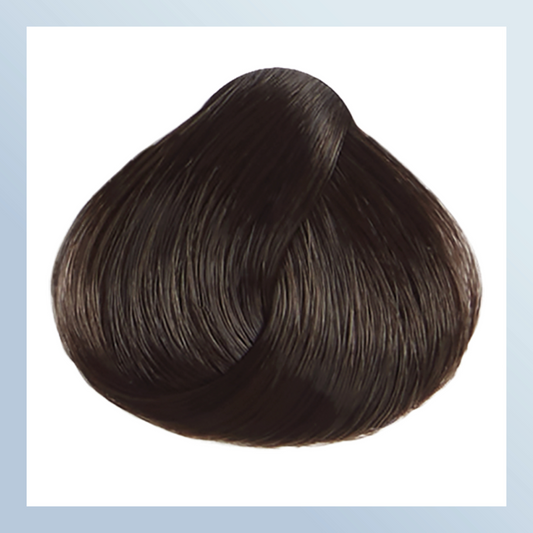
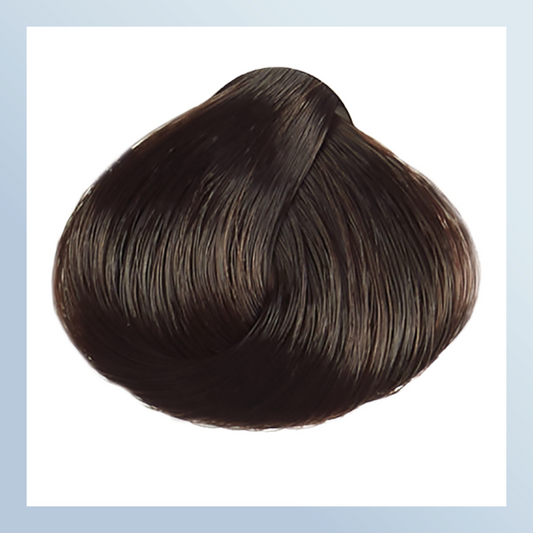
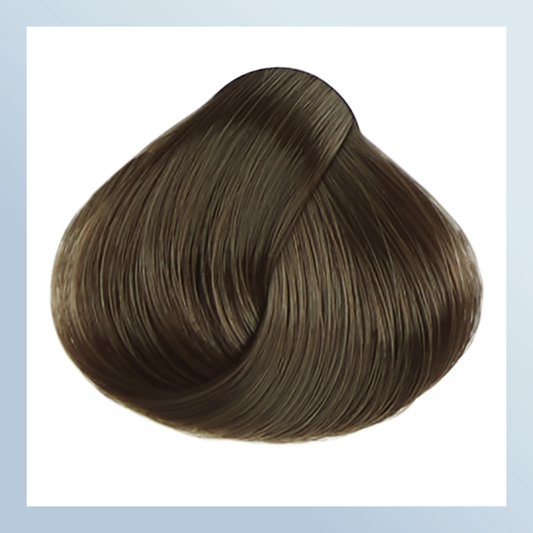
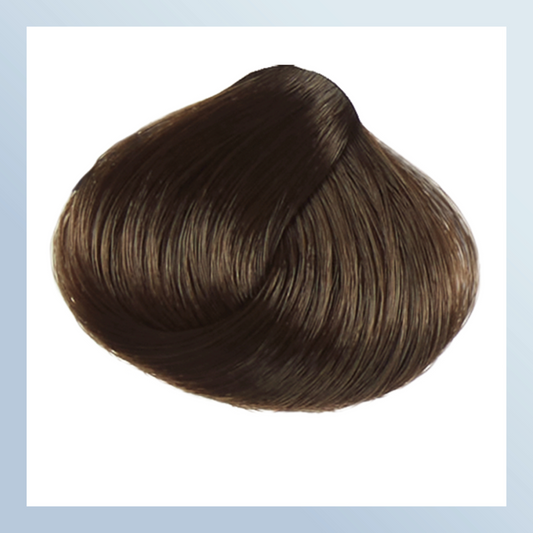
H2O Water Colour is our flagship at-home colour, perfected in the salon over more than 20 years. It uses a 95% water base and is free from ammonia, peroxide and resorcinol, which makes it a gentle option for scalps that feel more sensitive after treatment.
Here is what it does, described honestly:
- Gentle on sensitive scalps. With no ammonia or peroxide, it is formulated to be milder than conventional permanent dye.
- Soft grey coverage. It deposits tone onto the hair to blend and cover grey, without leaving a hard line as your hair grows.
- Glossy, conditioned finish. The formula is designed to leave hair looking healthy and shiny.
- It does not lighten. H2O Water Colour adds tone but cannot make your hair lighter. If you are going for a lighter result, this is not the product for that, and we would rather you know that upfront.
As with any hair colour after treatment, please only use it once your doctor or oncologist is happy for you to colour, and always patch test 48 hours beforehand.
Conventional permanent dye compared with H2O Water Colour
| Conventional permanent dye | H2O Water Colour | |
|---|---|---|
| Base | Often ammonia and peroxide based | 95% water based |
| Key ingredients | May contain ammonia, peroxide, resorcinol | Free from ammonia, peroxide and resorcinol |
| How it works | Lifts and lightens, then deposits colour | Deposits tone gently, does not lighten |
| Grey coverage | Full coverage, can leave a hard regrowth line | Softly covers grey, no harsh regrowth line |
| Best suited to | Wanting to go lighter or change shade dramatically | Wanting gentle, glossy tone and soft grey coverage |
How to care for your hair and scalp while colouring
Gentle colouring works best alongside gentle care. Wash with a mild, sulfate-free shampoo suited to sensitive scalps, which cleanses without stripping the hair's natural oils. Keep heat styling light while your hair is recovering, and give it time. Healthy-looking colour starts with a comfortable, well-cared-for scalp.
Can you colour at home, or should you visit a salon?
Both work, and the right choice depends on how confident you feel. Whichever you choose, please make sure your doctor or oncologist has approved colouring first.
- At home. H2O Water Colour kits include everything you need to colour gently at home, with clear instructions and patch test guidance.
- In the salon. If you would prefer expert hands, our Spitalfields team can colour for you and tailor the experience to your hair and scalp, taking extra care throughout.
Personalised care in the salon
Every head of hair is different, especially after treatment. In the salon we take time to assess the condition of your hair and scalp so we can tailor your colour and care to what your hair actually needs that day, rather than taking a one-size-fits-all approach. It is a calmer, more considered way to return to colour.
Frequently asked questions
Can I colour my hair after chemotherapy?
Usually yes, but only once your doctor or oncologist has confirmed they are happy for you to do so, and once your hair has regrown and feels stronger. A gentle, ammonia-free colour and a patch test are sensible next steps after that.
How long should I wait after chemo before colouring my hair?
Cancer Research UK suggests around six months, as it takes roughly that long for new hair to strengthen. This is a general guide only. Always confirm the right timing for you with your own doctor, oncologist or specialist nurse, as recovery varies from person to person.
Do I really need a patch test every time?
Yes. Sensitivities can change after treatment, so a 48-hour patch test before every colour, following the manufacturer's instructions, is strongly recommended, even with a product you have used before.
Does H2O Water Colour contain ammonia or peroxide?
No. H2O Water Colour is 95% water based and free from ammonia, peroxide and resorcinol.
Will H2O Water Colour lighten my hair?
No. It deposits tone and softly covers grey, but it cannot lighten hair. If you want a lighter result, this is not the right product.
Can I colour my hair at home, or should I visit a salon?
Both are fine, once your medical team has given the go-ahead. Home kits make gentle colouring straightforward, while the salon offers expert application and a more tailored experience if you would prefer support.
A gentle next step
If you would like to return to colour kindly, speak to your medical team first, then explore our at-home range or come and see us in Spitalfields. Take your time, and do what feels right for you.
Shop H2O Water ColourThis article is for general information and is not medical advice. Everyone's recovery is different, so please always check with your doctor, oncologist or medical team before colouring your hair, and only go ahead once they have approved it. Always follow the manufacturer's instructions and patch test guidance.
Sources: Cancer Research UK, using hair dye after chemotherapy; Cancer Hair Care, colouring hair before and during treatment.